
Did you know that your gut is often referred to as your “second brain”? That’s because the gut and brain are deeply connected, and the health of one directly impacts the other.
What you eat doesn’t just affect your body it affects your mood, mental clarity, and overall mental wellness. When we consume a diet high in processed foods and sugar, it can lead to chronic inflammation in the body. And this inflammation is not just physical it can also contribute to mental health issues like anxiety, depression, and brain fog.
Inflammation is also one of the main triggers for autoimmune diseases, and it often begins with what we’re putting into our bodies. Good News? By improving your gut health and reducing inflammation, you can experience profound changes in both your physical and mental well-being.
5 powerful tips to improve Gut health and improve mental health:
1. Eat Whole, Nutrient-Dense Foods
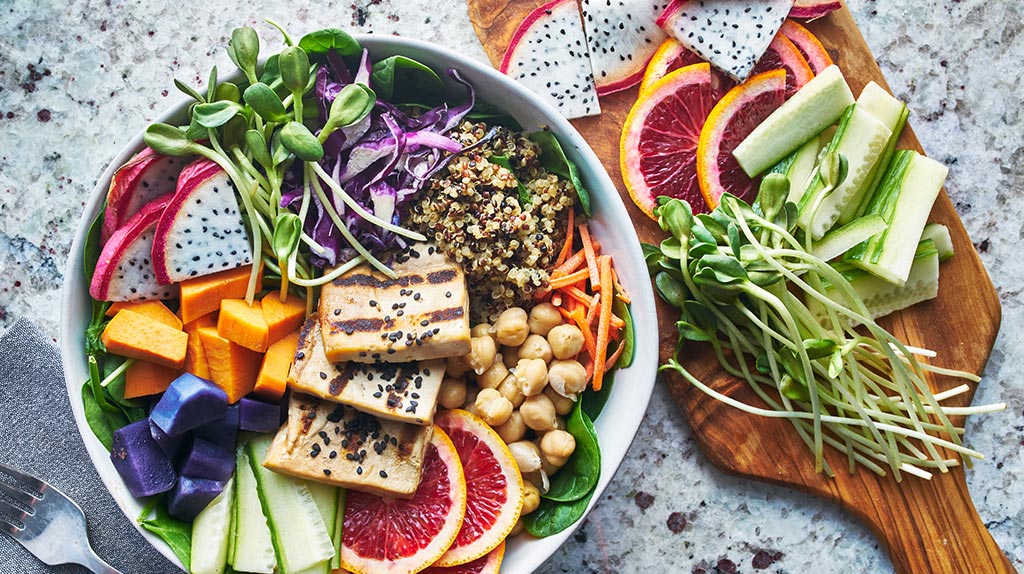
Your gut thrives on real, whole foods. Incorporate plenty of fresh vegetables, fruits, whole grains, and lean proteins into your diet. Foods rich in fiber, like leafy greens and berries, feed the good bacteria in your gut, promoting a balanced microbiome.
2. Reduce Sugar and Processed Foods
High sugar consumption fuels inflammation in the body and disrupts the balance of gut bacteria. Swap out sugary drinks and processed snacks for healthier options. For example, reach for a handful of nuts instead of chips or have herbal tea instead of soda.
3. Include Probiotics and Prebiotics
Probiotics are the “good bacteria” your gut needs to stay healthy. You can find them in fermented foods like yogurt, kefir, and kimchi. Prebiotics, on the other hand, are the food that these good bacteria feed on like bananas, apples, sweet potatoes and walnuts. Together, they create a thriving environment for your gut microbiome.
4. Stay Hydrated
Water is essential for flushing out toxins and supporting digestion. Dehydration can disrupt gut function and lead to sluggish digestion, which in turn affects your mental clarity. Aim to drink enough but don’t overdo it, high water intake can upset the body’s electrolyte balance.
5. Manage Stress and Sleep Well
Stress and lack of sleep can wreak havoc on your gut health. Practice relaxation techniques like meditation, deep breathing, or yoga to manage stress. Prioritise a consistent sleep schedule to give your body the rest it needs to heal and rejuvenate.
Conclusion
The health of your gut isn’t just about digestion it’s about how you feel, think, and function every day. When your gut is healthy, inflammation decreases, your energy rises, and your mental clarity improves. If you need deeper support, consider booking a consultation with Anita Kaul at Atmaanaan.
Remember: The power to change your health and mental wellness lies in your hands and on your plate.
Frequently Asked Questions
1. Why is the gut called the “second brain”?
The gut is called the “second brain” because it has a direct connection to the brain through the gut–brain axis. This connection means gut health strongly influences mood, emotions, and mental clarity.
2. How does food affect mental health?
What you eat impacts inflammation, gut bacteria, and brain function. Diets high in sugar and processed foods can increase inflammation, which may contribute to anxiety, depression, and brain fog.
3. Can improving gut health reduce anxiety and depression?
Yes. A healthier gut supports balanced neurotransmitters and reduces inflammation, both of which play a key role in managing anxiety, depression, and overall mental wellness.
4. What foods are best for gut health and mental wellness?
Whole, nutrient-dense foods like vegetables, fruits, whole grains, lean proteins, and fiber-rich foods support gut bacteria. Fermented foods such as yogurt, kefir, and kimchi also promote a healthy microbiome.
5. Why should sugar and processed foods be limited?
Excess sugar and processed foods feed harmful gut bacteria and increase inflammation. Reducing them helps restore gut balance and supports better mental clarity and mood.
6. What is the difference between probiotics and prebiotics?
Probiotics are beneficial bacteria found in fermented foods. Prebiotics are the foods that feed these bacteria, such as bananas, apples, sweet potatoes, and walnuts. Both are essential for gut health.
7. How does hydration support gut and mental health?
Proper hydration helps digestion, flushes toxins, and supports gut function. Balanced water intake also supports mental clarity, while overhydration can disrupt electrolytes.